
The AI Tipping Point with Peter Swain
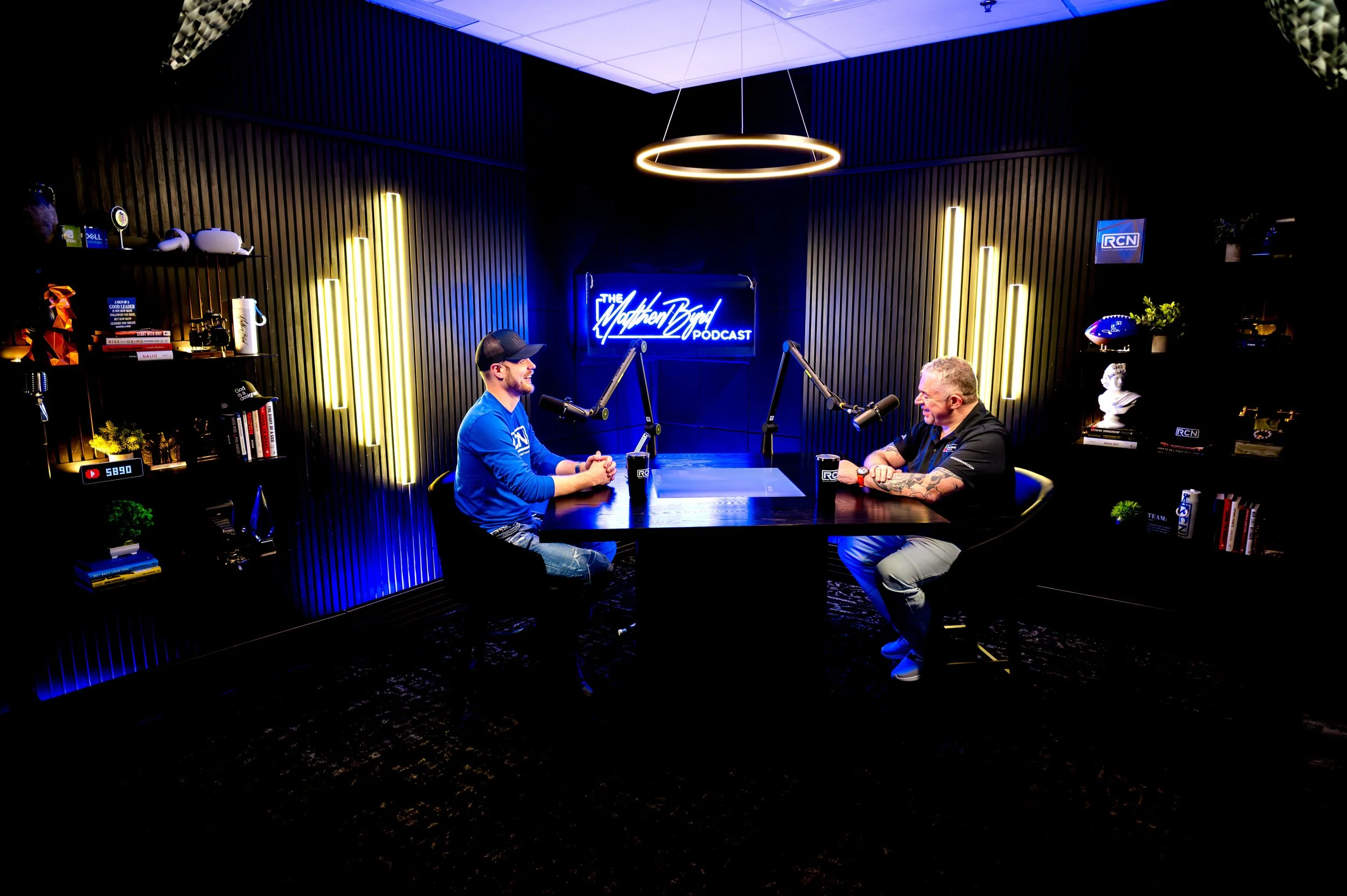
FULL EPISODE
WHAT DO YOU DO WHEN YOU MEET SOMEONE WHO HAS BEEN RIGHT ABOUT EVERY TECHNOLOGY WAVE OF THE LAST 30 YEARS?
You listen.
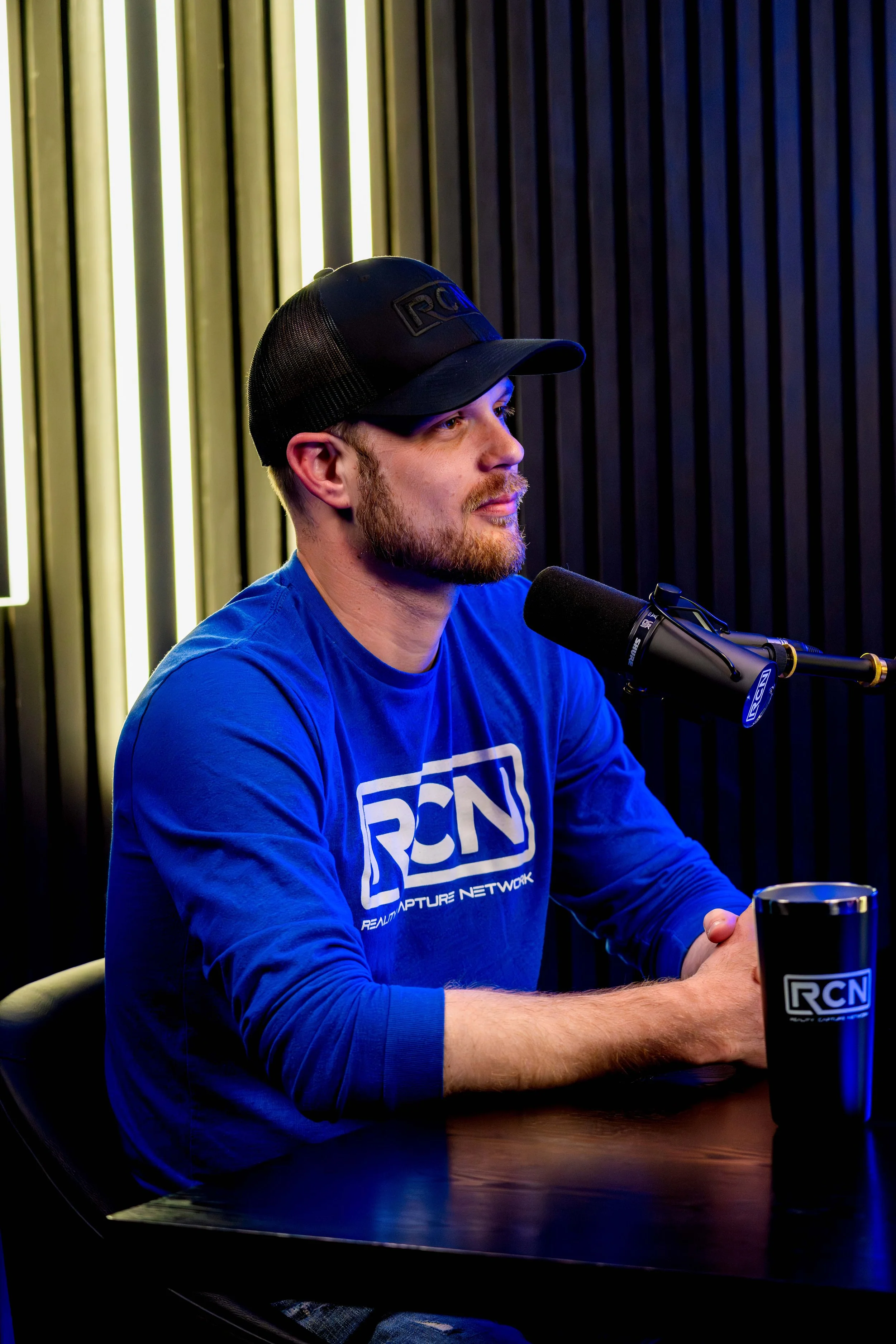
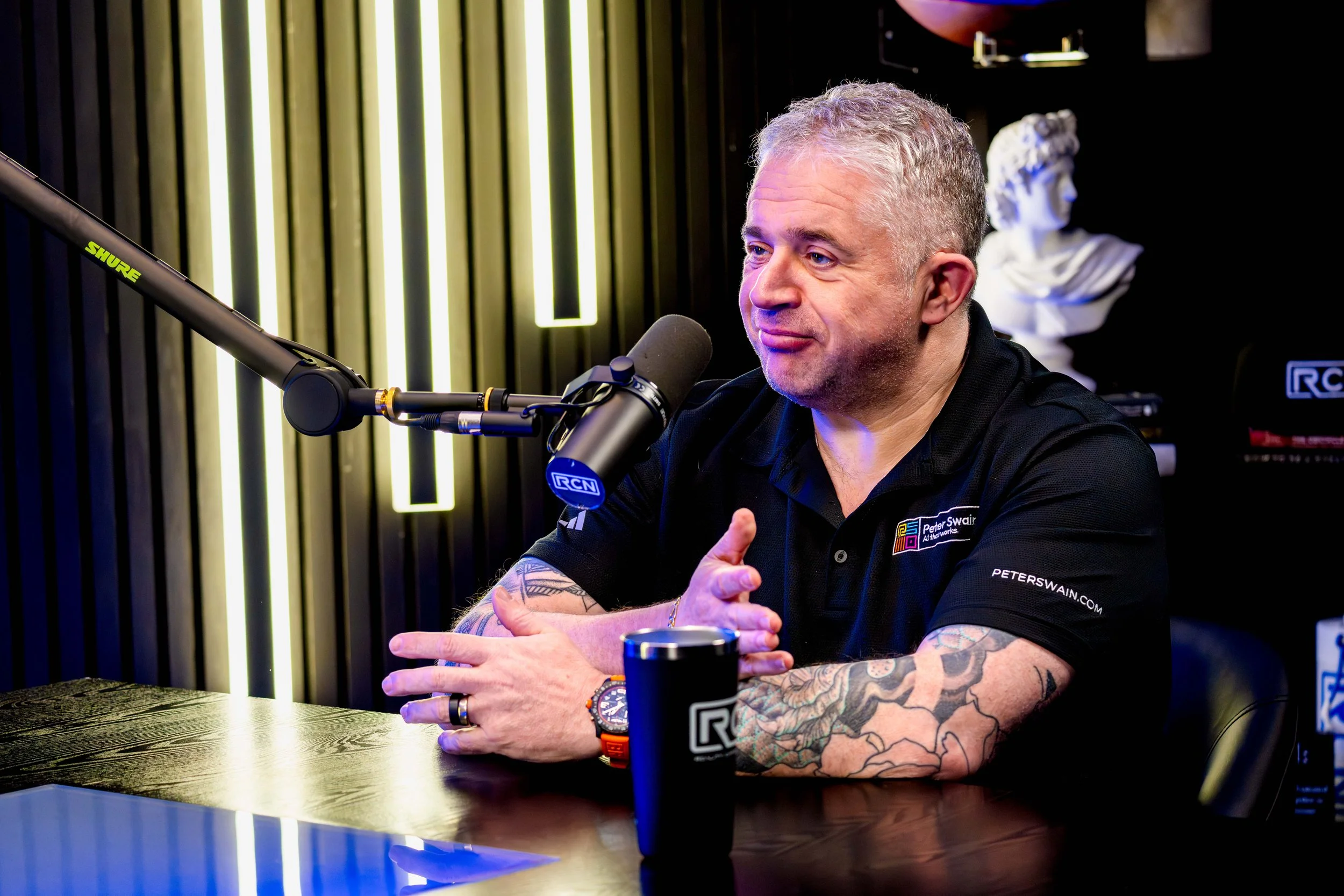
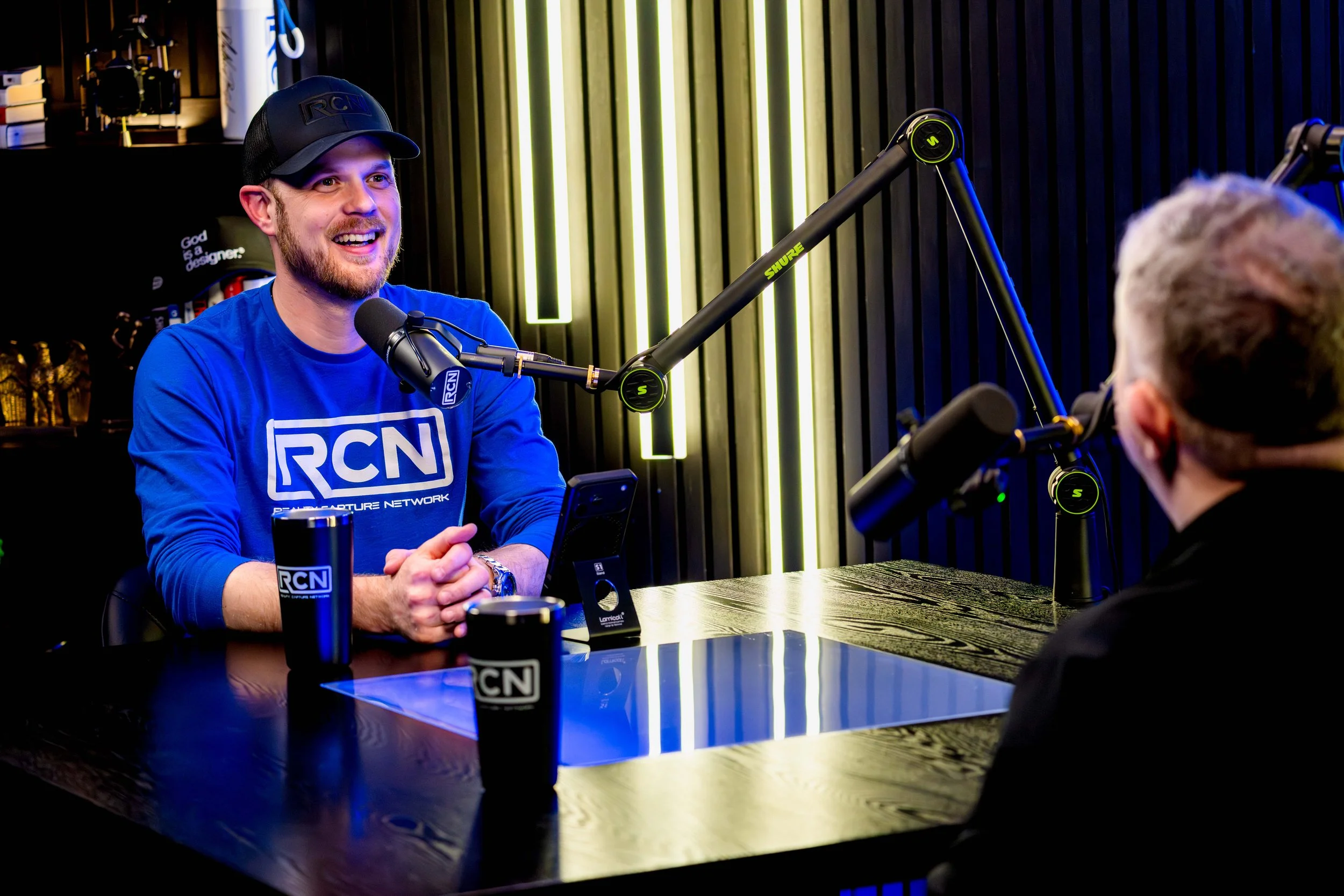
I recently sat down with Peter Swain in Boise — he flew in from London, which is no small thing — and the conversation has been running through my head ever since. Peter was one of the first web developers in the world. He helped build the platform that became Yelp. He picked up a prototype iPhone in duty free in 2006, walked straight back to his office, and shut down his web agency to build a mobile one instead. He spent years retained by Apple, working directly with Steve Jobs on app strategy.
And three years ago, he downloaded the ChatGPT beta and recognized the same smell he had recognized twice before.
I asked him what he sees coming. The answer was not comfortable.
THE DIFFERENCE BETWEEN THE TWO CAMPS
There is a version of this conversation that is just enthusiasm about AI productivity and business tools. Peter did not give me that version.
He started with a distinction I had not heard framed quite this clearly: every technology in history was designed to help humans do what they already did, just faster or cheaper. Fire helped you cure meat more quickly. The airbag made driving safer. Software made your existing workflows more efficient. The job of all of it was to make you better at being human.
AI is different. Its job, as Peter put it, is not to help you do what you do — its job is to replace you doing it.
That is a meaningful distinction. And once you sit with it, a lot of other things come into focus.
He referenced a current projection of 20% persistent unemployment by the end of this year. To give that number context, COVID-era unemployment peaked somewhere between 15 and 18 percent depending on your state. The Great Depression hit 23. He is describing a Great Depression level event, not a temporary disruption — and unlike most disruptions throughout history, which have been industry-specific or geographically isolated, this one hits every industry and every geography at the same time.
Software developers, junior copywriters, entry-level voice actors — entire categories of work that used to absorb college graduates are disappearing. Not shrinking. Disappearing.
THE CASE FOR GETTING ON THE TRAIN ANYWAY
Here is the part that surprised me most: Peter told me that if he could put AI back in the box, he would. He said we are woefully unprepared for what is coming. He has two kids at home and he thinks about this constantly.
And then he said he is still one of the most vocal advocates for entrepreneurs leaning into AI right now. Both things are true.
His reasoning is simple. The disruption is coming regardless. The job displacement, the market pressure, the second and third order economic effects — none of that is avoidable just by opting out. What you can opt out of is the upside.
There is a version of the AI economy he finds genuinely exciting. A self-actualized economy, as some researchers have called it, where AI handles the administrative and repetitive work and humans get to do the thing they actually built their career to do. He gave an example from his own community: a man who spent years as a real estate investor, never really loving it, used AI to launch a coaching offer for men navigating divorce. He signed a ten thousand dollar client on day one. Another on day two. Another on day three. And he made that shift in a week.
Peter believes the idea of the solopreneur millionaire is now genuinely viable in a way it was not before. AI can handle the sales, the marketing, the legal questions, the financial modeling. The human can focus entirely on the thing they are actually great at. That is not a small thing.
WHAT AI CANNOT REPLACE
We spent a good portion of the conversation on this question because it is the one that matters most for anyone building a business right now.
Peter's answer: connection, community, and charisma.
When all knowledge is commoditized — and he argues it already is — the only unassailable moat is the human one. His membership community has a 90% retention rate over three years. People stay not because of the information they receive. They stay because of how it feels to be part of it. His team uses AI to monitor member social media so they can send a gift when someone's kid graduates or proactively reach out when someone is going through a hard season. The AI handles the logistics of care. The humans provide the actual caring.
He made a point about personal brands that I have been chewing on. He believes corporate brands are effectively dead and gone in the AI era. Richard Branson has something like 20 times more followers than all of his Virgin brands combined. People do not follow companies. They follow people. They form emotional connections to humans, not logos. And as AI makes it easier and easier to produce a product, the person behind that product becomes the only thing that cannot be replicated.
You can copy a product. You cannot copy a person.
THE ADVICE I KEEP COMING BACK TO
Near the end of our conversation I asked Peter what he would tell someone just starting out — the young professional trying to figure out how to build a career in a world that is changing faster than any of us can fully track.
He gave two answers. The first was a line from a book he wrote: you can be proud or rich, but you cannot be both. By which he meant: if someone is offering you wisdom and your first instinct is to defend yourself, you are protecting your ego, not your future. The willingness to subjugate that ego and actually receive the help being offered is one of the most underrated business skills there is.
The second was this: say yes to everything until you know what your life's purpose is, then say no to everything that does not support that.
Early on, the world is rich and varied and you do not know what you are built for until you have experienced enough of it. But once you figure that out, protecting that focus is your most important job. No becomes the most powerful word in your vocabulary.
I walked away from this conversation with a sharper sense of urgency and also a clearer sense of what actually matters. The technology is moving faster than most people realize. The opportunity is real. The risk of waiting is real. But the thing that will carry you through all of it — the only moat that holds — is being unmistakably and genuinely human.
Catch the full conversation The AI Future Nobody Is Ready For: Entrepreneurship and Human Connection | Peter Swain on YouTube, Apple Podcasts, or Spotify.
